Set Up WP Ghost on Kinsta Hosting – Nginx Configuration via Support
January 20, 2022
This tutorial has moved to the new WP Ghost Knowledge Base where each feature is presented in detail.
WP Ghost (formerly Hide My WP Ghost) works on Kinsta hosting. Kinsta uses Nginx and does not provide direct access to the server config. You need to send the hidemywp.conf file to Kinsta support so they can add it to your Nginx configuration. The include itself is a one-time setup.
How to set up WP Ghost on Kinsta
Step 1: Configure and save WP Ghost settings
Install WP Ghost. Go to WP Ghost > Change Paths > Level of Security. Select Safe Mode or Ghost Mode. Customize your paths or keep the defaults. Click Save.

Step 2: Download the hidemywp.conf file
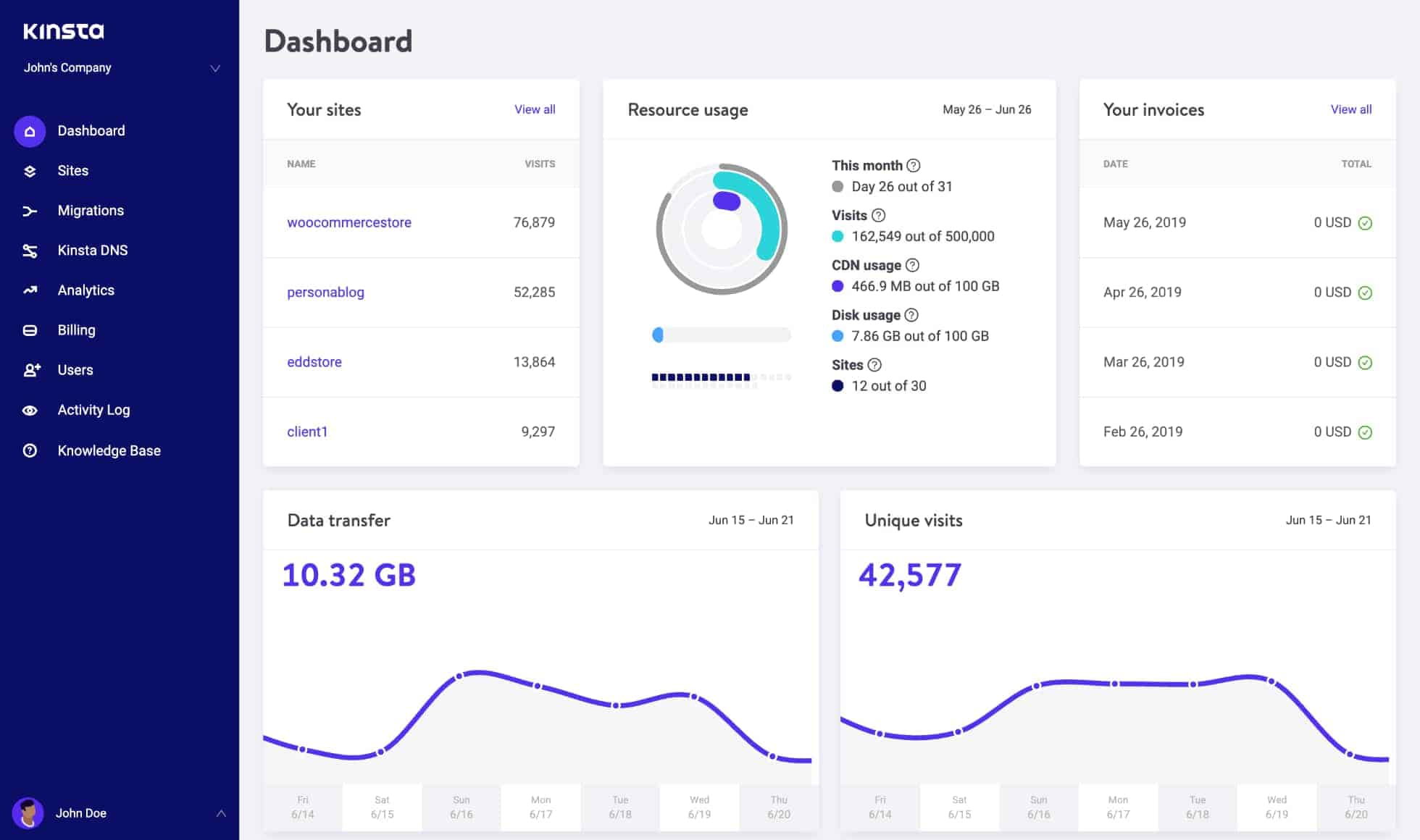
After saving, WP Ghost generates a hidemywp.conf file in your website root directory. Download this file using Kinsta’s File Manager (in MyKinsta dashboard) or via SFTP.
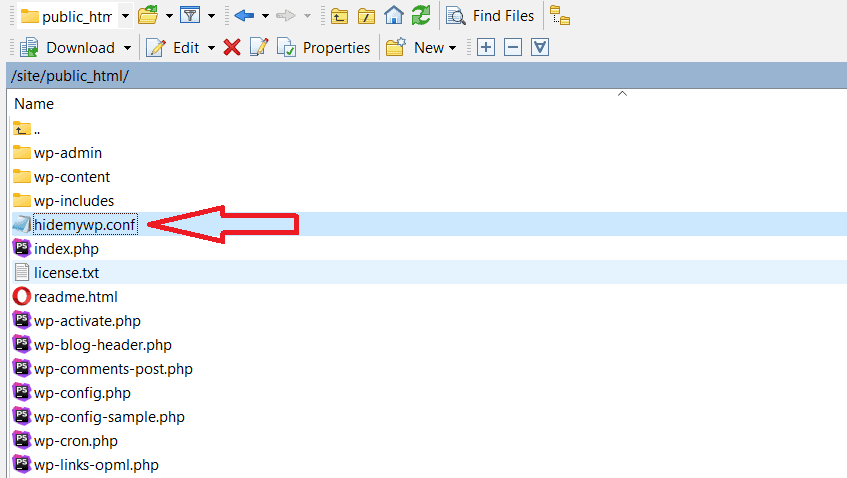
Step 3: Send the file to Kinsta support
Contact Kinsta’s support team and send them the hidemywp.conf file. Ask them to include it in your site’s Nginx configuration and restart the server.
Step 4: Back up settings and wait
Back up your WP Ghost settings from WP Ghost > Backup/Restore. Deactivate the plugin while waiting for Kinsta to add the rules. This prevents path errors while the server config is being updated.
Step 5: Reactivate and verify
Once Kinsta confirms the rules are added, reactivate WP Ghost and restore your settings from WP Ghost > Backup/Restore. Verify that the login page works with the new path and that the frontend loads correctly. Open a private browser and view source to confirm no /wp-content/ references remain.

Troubleshooting
Paths not working after Kinsta added the file. Kinsta may need to restart Nginx after adding the include. Confirm with support that the server was restarted. Also clear Kinsta’s page cache from the MyKinsta dashboard. On WP Ghost Premium 9.0.13 or later, press Start Diagnosis in Ghost Doctor on the Level of Security page (WP Ghost > Change Paths > Level of Security). It loads the site as a logged-out visitor, finds which renamed path the server isn’t serving and repairs it.
Login page returns 404. The hidemywp.conf file may not match your current WP Ghost settings (e.g., if you changed paths after generating the file). Re-save WP Ghost settings to regenerate the conf file, send the updated file to Kinsta support.
Locked out after configuration. Use the Safe URL parameter or contact Kinsta support to remove the hidemywp.conf include. See the Emergency Disable guide.
Frequently asked questions
Is this a one-time setup?
The initial include is one-time. WP Ghost updates the hidemywp.conf file automatically when you change paths, but Nginx reads it only when it reloads. Ask Kinsta support to reload Nginx after each path change.
Do I need to contact Kinsta support every time I change paths?
Yes, for path changes. Kinsta needs to reload Nginx for the updated hidemywp.conf to take effect. Settings that run in PHP, such as brute force protection and 2FA, take effect as soon as you save.
Does this work with Kinsta’s CDN?
Yes. Kinsta’s CDN serves assets from its edge network. After WP Ghost changes paths, clear the Kinsta CDN cache from the MyKinsta dashboard. If CDN URLs still show old paths, add the CDN domain in WP Ghost > Mapping > CDN Mapping.
Does WP Ghost modify WordPress core files?
No. WP Ghost generates a separate hidemywp.conf file. No core files modified. Removing the include from Nginx restores all defaults.
Related tutorials
Nginx Server Setup – general Nginx configuration for WP Ghost.
Customize All WordPress Paths – configure paths after server setup.
Compatibility Plugins List – hosting-specific notes.
Emergency Disable Guide – recovery if configuration causes issues.
Website Security Check – verify your configuration after setup.